Modern cars are incredible machines, but they rely heavily on a network of vital fluids to run smoothly. Think of these fluids as the lifeblood of your vehicle. When they run low or get dirty, critical components start grinding, overheating, and failing—leading to repair bills that can easily climb into the thousands.
The good news? You don’t need a mechanic’s license to check them. In fact, you can inspect all five major fluids right in your driveway in about 10 minutes.
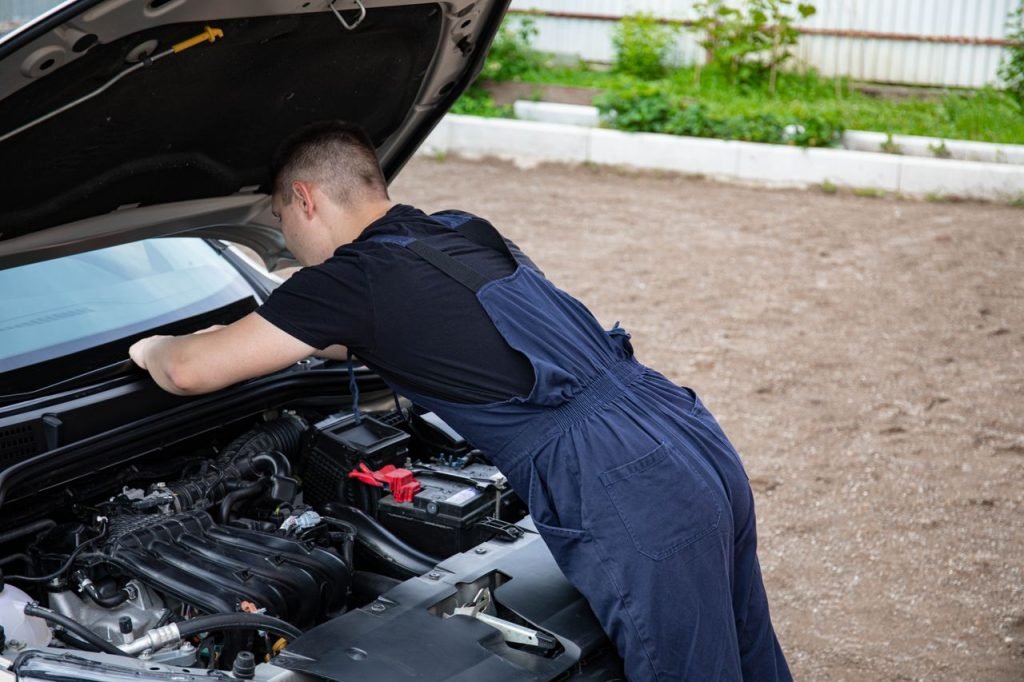
Grab a clean rag or a roll of paper towels, pop your hood, and let’s run through the ultimate vehicle fluid checklist to keep your ride running flawlessly.
1. Engine Oil: The Lubricator
Your engine oil reduces friction between moving metal parts and keeps the engine cool. Running out of oil will seize your engine, effectively destroying it.
- How to check it: Park on level ground and wait for the engine to cool down. Pull the dipstick out (usually has a bright yellow or orange loop handle), wipe it clean with your rag, reinsert it fully, and pull it out again.
- What to look for: Look at the fluid level relative to the two holes or lines at the tip of the stick. The oil should be between them. If it’s below the bottom line, you need to add oil.
- The Color Test: Clean oil is amber/honey-colored. Dark brown or black oil is dirty and means it’s time for an oil change.
2. Coolant (Antifreeze): The Heat Manager
Coolant regulates your engine’s temperature, preventing it from overheating in the summer and freezing in the winter.
- How to check it: WARNING: Never open the radiator cap while the engine is hot. Doing so can cause severe burns. Instead, locate the translucent plastic overflow tank near the radiator.
- What to look for: Check the fluid level against the “Min” and “Max” markings printed on the side of the plastic tank. The fluid (which is usually bright green, orange, or pink) should sit comfortably between those lines.
3. Brake Fluid: The Stopper
When you step on the brake pedal, hydraulic pressure forces the brake pads against the wheels to stop the car. That pressure relies entirely on brake fluid.
- How to check it: Look for a small, translucent reservoir near the back of the engine bay on the driver’s side (directly in front of the steering wheel area).
- What to look for: You can usually see right through the plastic to check the level against the lines. If it is low, get your car inspected immediately—low brake fluid usually means either your brake pads are severely worn down or you have a dangerous leak in the system.
4. Transmission Fluid: The Gear Shifter
Transmission fluid keeps your gears turning smoothly. If it runs low, your car might struggle to shift gears, slip out of gear, or hesitate when you step on the gas.
- How to check it: In many cars, there is a second dipstick (often red or labeled) near the back of the engine. Note: Unlike engine oil, transmission fluid is usually checked while the engine is running and warmed up (check your owner’s manual to be sure).
- What to look for: The fluid should be bright red or pink. If it looks dark brown, black, or smells burnt, your transmission needs a flush before it sustains permanent damage. (Note: Many modern cars have “sealed” transmissions with no dipstick, requiring a professional check).
5. Power Steering Fluid: The Steerer
If you’ve ever driven a vintage car, you know how hard it is to turn the wheel at low speeds. Power steering fluid gives you that effortless, smooth control.
- How to check it: Look for a small reservoir under the hood, usually labeled “Power Steering.”
- What to look for: Check the level through the plastic or via the small dipstick attached to the reservoir cap. If you notice the steering wheel feels heavy or makes a loud whining noise when you turn, low fluid is almost always the culprit.
The Golden Rule: Top Off, Don’t Ignore
Checking your fluids once a month is the cheapest insurance policy you can buy for your vehicle. If you notice a fluid level drop consistently month after month, it means you have a slow leak that needs to be addressed before it becomes a major problem.
Keep them clean, keep them filled, and your car will reward you with hundreds of thousands of miles of trouble-free driving!