Let’s be honest: taking your car to the garage for every little thing can get exhausting—and expensive. While complex transmission overhauls and engine diagnostics are best left to the professionals, there are plenty of basic maintenance tasks you can easily handle right in your own driveway.
Learning a few basic DIY car care skills won’t just save you a bundle of cash; it will also help you understand your vehicle better and keep it running smoothly between scheduled service appointments.
Here are five simple, beginner-friendly DIY car projects you can conquer this weekend using minimal tools, along with a breakdown of what you’ll save by skipping the shop.
1. Changing Your Engine Air Filter
Think of the engine air filter as your car’s lungs. It keeps dust, dirt, and debris from entering the engine. Over time, it gets clogged, which chokes your engine, reduces gas mileage, and hurts performance.
- Difficulty: 1/5 (Super Easy)
- Tools Needed: None (or a standard screwdriver, depending on your car model).
- How to Do It:
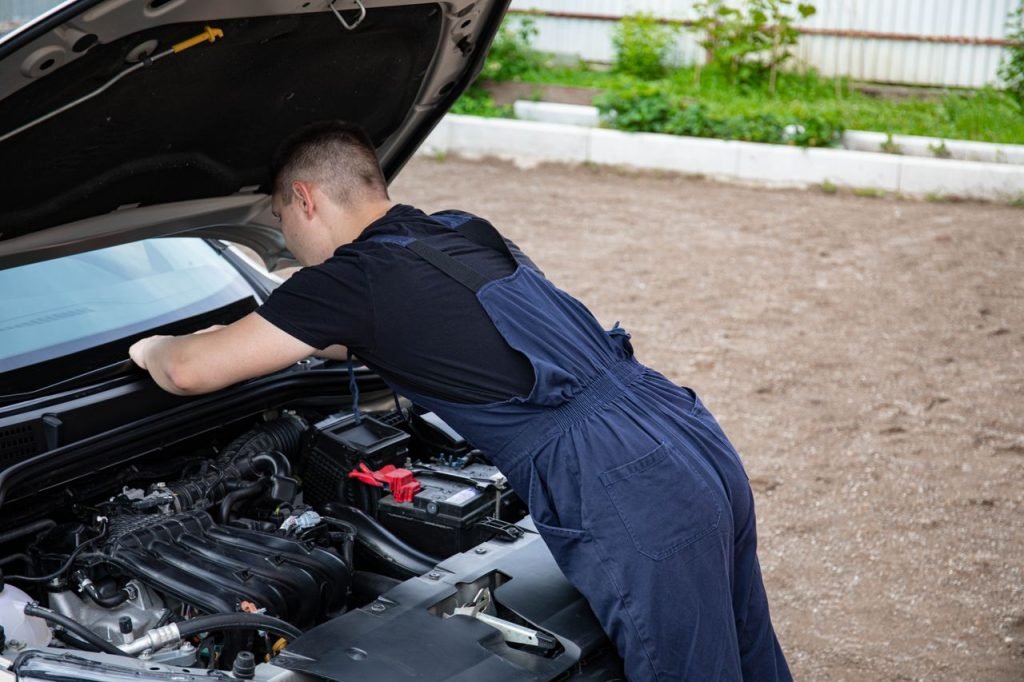
- Open your hood and locate the air filter box (usually a black plastic box on the side of the engine with large clips or screws holding it shut).
- Pop the clips or undo the screws and open the box.
- Note which way the old filter is facing, pull it out, and drop the clean new one in exactly the same way.
- Snap the lid back on, and you’re done!
- Money Saved: Shops often charge $40 to $70 for this. Doing it yourself costs only the price of the filter (usually $15 to $25).
2. Replacing Clogged Cabin Air Filters
While the engine filter protects your car, the cabin air filter protects you. It cleans the air blowing through your heater and air conditioning vents. If your AC smells musty or your windows are foggy, a dirty cabin filter is usually to blame.
- Difficulty: 2/5 (Easy)
- Tools Needed: None.
- How to Do It:
- In most modern cars, the cabin filter is located right behind the glovebox. Empty your glovebox.
- Press the sides of the glovebox inward or release the stop-tabs to let the box drop down completely.
- Look for a rectangular plastic cover, unclip it, and pull out the old filter.
- Slide the new one in, making sure the arrows printed on the filter match the correct airflow direction.
- Money Saved: Garages typically charge $50 to $90 for parts and labor. A new filter costs $15 to $30 online.
3. Swapping Out Streaky Windshield Wipers
riving in a heavy downpour with worn-out wiper blades isn’t just annoying—it’s highly dangerous. If your blades are leaving streaks, squeaking, or tearing apart, it’s time for a quick upgrade.
- Difficulty: 1/5 (Super Easy)
- Tools Needed: None.
- How to Do It:
- Lift the wiper arm away from the windshield.
- Find the small plastic tab or button where the blade connects to the metal arm. Press it and slide the old blade off.
- Slide the new blade onto the arm until you hear it click firmly into place.
- Lower the arm gently back to the glass (never let the bare metal arm snap down against the windshield, or it could crack it!).
- Money Saved: Dealerships frequently charge $40 to $60 plus the cost of blades. A premium pair of blades costs $25 to $40, and changing them takes less than five minutes.
4. Checking and Correcting Tire Pressure
Properly inflated tires keep you safe, improve your fuel efficiency, and ensure your tires wear out evenly so you don’t have to buy a new set prematurely.
- Difficulty: 1/5 (Super Easy)
- Tools Needed: A simple tire pressure gauge (digital or stick-type).
- How to Do It:
- Find your car’s recommended tire pressure (PSI) on the sticker inside the driver’s side door jamb (do not use the maximum number stamped on the tire sidewall).
- Remove the valve stem cap from a tire and press your pressure gauge firmly onto it.
- Read the number. If it’s low, add air using a portable inflator or a pump at a local gas station. If it’s too high, press the little pin inside the valve stem to release some air.
- Money Saved: While some shops check this for free during an oil change, keeping a $10 gauge in your glovebox saves you time, prevents flats, and optimizes your fuel mileage every single day.
5. Cleaning Corroded Battery Terminals
If you notice a crusty white, green, or blue powder forming around your car battery’s metal posts, that’s corrosion. It restricts electrical flow and can lead to a car that struggles to start or won’t start at all.
- Difficulty: 2/5 (Easy – Wear gloves and eye protection!)
- Tools Needed: A wrench, a wire brush, baking soda, and warm water.
- How to Do It:
- With the engine off, use a wrench to disconnect the negative (black/-) cable first, followed by the positive (red/+) cable.
- Mix a tablespoon of baking soda into a small cup of warm water.
- Pour the mixture over the corroded terminals and scrub them vigorously with a wire brush until the metal is clean and shiny.
- Wipe dry with a rag, reattach the positive cable first, then the negative cable, and tighten them securely.
- Money Saved: Battery cleaning services at a shop run anywhere from $30 to $60. You can do it yourself using household staples for pennies.
When to Put Down the Tools and Call the Pros
AI Mode conversation: write a blog for my website jenicecar.com about car repair suggestion and serivce
Blog Post: 5 Warning Signs Your Car Needs Immediate Service (And How to Save Money on Repairs)
Every car owner knows the feeling of driving down the highway and suddenly hearing a strange noise or seeing a little amber light pop up on the dashboard. It’s easy to ignore it and hope it goes away, but delaying essential auto maintenance often turns a cheap, quick fix into an expensive garage nightmare.
At JeniceCar.com, we believe that keeping your vehicle safe, reliable, and smooth shouldn’t cost you a fortune. To help you stay ahead of the game, we’ve put together the top five warning signs your vehicle is crying out for attention—and exactly how you can manage them before they drain your wallet.
1. The Dreaded “Check Engine” Light is On
The dashboard warning light is your car’s way of communicating. While it doesn’t always mean your engine is about to explode, it indicates that a sensor has detected a malfunction.
- The Culprit: It could be as simple as a loose gas cap, or as complex as a failing catalytic converter or oxygen sensor.
- Pro Repair Suggestion: Never ignore a flashing Check Engine light—this indicates a severe misfire that could permanently damage your vehicle. If it’s steady, use an affordable OBD-II scanner to read the code yourself, or schedule a diagnostic check immediately.
2. Squeaking, Grinding, or Squealing Brakes
Your brakes are your vehicle’s most critical safety feature. If you hear a high-pitched squeak when you press the brake pedal, your brake pads are wearing thin. If you hear a harsh, metallic grinding sound, your pads are completely gone, and metal is rubbing against metal.
- The Culprit: Worn-out brake pads or warped rotors.
- Pro Repair Suggestion: Replacing brake pads early is a standard, affordable service. If you wait until you hear grinding, you will have to replace the expensive rotors as well. Check your brake fluid levels regularly and have your pads inspected every 10,000 miles.
3. Strange Vibrations or Steering Wheel Shaking
If your car shimmies when you reach highway speeds, or if the steering wheel violently shakes when you apply the brakes, your vehicle is trying to tell you something is misaligned.
- The Culprit: Unbalanced tires, uneven tire wear, suspension issues, or warped brake rotors.
- Pro Repair Suggestion: Start with the simplest fix: check your tire pressure and look for uneven tread wear. Getting a routine tire rotation and wheel alignment preserves the lifespan of your tires and protects your suspension system from premature failure.
4. Mysterious Fluid Leaks Under the Car
Cars rely on a complex network of fluids to cool, lubricate, and power different systems. If you notice a puddle on your driveway, take note of the color:
- Bright Green, Pink, or Orange: Coolant/Antifreeze (can cause your engine to overheat).
- Dark Brown or Black: Engine Oil (can cause catastrophic engine failure if runs dry).
- Reddish or Amber: Transmission or Power Steering Fluid.
- Pro Repair Suggestion: Keep an eye on your garage floor. If you spot a leak, check your fluid dipsticks immediately. Catching a fluid leak early prevents major components from grinding together and burning out.
5. Sluggish Starting or Dimming Headlights
When you turn the key or push the start button, does the engine crank slowly before firing up? Do your headlights seem dim when you’re idling at a red light?
- The Culprit: A dying car battery, loose battery terminals, or a failing alternator.
- Pro Repair Suggestion: Car batteries generally last between 3 to 5 years. You can get your battery tested for free at most local auto parts stores. Clean off any white, powdery corrosion on the terminals with a wire brush to ensure a strong electrical connection.
The Ultimate Money-Saving Car Care Tip: Preventive Maintenance
The secret to avoiding massive repair bills isn’t finding the cheapest mechanic; it’s practicing preventive maintenance. Staying consistent with standard services—like oil changes, air filter replacements, and fluid top-offs—keeps your car running efficiently and holds its resale value high.
Treat your car right, pay attention to the warning signs, and it will keep you safely on the road for miles to come!
Looking for more professional car maintenance tips, DIY guides, or vehicle buying advice? Bookmark JeniceCar.com and subscribe to our newsletter to get the latest automotive insights delivered straight to your inbox!
How to customize this blog post for your website:
- Add Photos: Insert real images of dashboard warning lights, a mechanic checking oil, or brake pads to make the post visually engaging and boost your SEO ranking.
- Link Internally: If you have an appointment booking page or a “Services” tab on jenicecar.com, add direct links within the text (e.g., “schedule a diagnostic check immediately“) to convert readers into customers.
- Local SEO: If you run a physical repair shop, add your city and neighborhood names naturally into the text to help local drivers find you via search engines.
If you’d like to tweak this draft, let me know:
- Do you want the tone to be more technical or more casual?
- Is JeniceCar an auto repair shop looking for local clients, or an automotive blog/info site?
- Are there specific car parts or services you want to highlight?
AI can make mistakes, so double-check responses
Wix.comHow To Make an Auto Repair Website in 9 StepsHere are some essential pages for your auto repair website: * **Homepage** Welcome visitors with a snapshot of your services. * **
BookipiHow to Make an Auto Repair Website for Free | BookipiHere’s how to get your auto repair website looking sharp without wasting time or hiring a designer: * Use AI to write content for …
21 WebsStep-bySep 8, 2024 — “auto maintenance services.” Improves search engine visibility, making it easier for potential clients to find your car mechanic s…
Show all
yes i need another blog based on DIY guides
Blog Post: 5 Easy DIY Car Maintenance Tasks Anyone Can Do (And How Much You’ll Save)
Let’s be honest: taking your car to the garage for every little thing can get exhausting—and expensive. While complex transmission overhauls and engine diagnostics are best left to the professionals, there are plenty of basic maintenance tasks you can easily handle right in your own driveway.
Learning a few basic DIY car care skills won’t just save you a bundle of cash; it will also help you understand your vehicle better and keep it running smoothly between scheduled service appointments.
Here are five simple, beginner-friendly DIY car projects you can conquer this weekend using minimal tools, along with a breakdown of what you’ll save by skipping the shop.
1. Changing Your Engine Air Filter
Think of the engine air filter as your car’s lungs. It keeps dust, dirt, and debris from entering the engine. Over time, it gets clogged, which chokes your engine, reduces gas mileage, and hurts performance.
- Difficulty: 1/5 (Super Easy)
- Tools Needed: None (or a standard screwdriver, depending on your car model).
- How to Do It:
- Open your hood and locate the air filter box (usually a black plastic box on the side of the engine with large clips or screws holding it shut).
- Pop the clips or undo the screws and open the box.
- Note which way the old filter is facing, pull it out, and drop the clean new one in exactly the same way.
- Snap the lid back on, and you’re done!
- Money Saved: Shops often charge $40 to $70 for this. Doing it yourself costs only the price of the filter (usually $15 to $25).
2. Replacing Clogged Cabin Air Filters
While the engine filter protects your car, the cabin air filter protects you. It cleans the air blowing through your heater and air conditioning vents. If your AC smells musty or your windows are foggy, a dirty cabin filter is usually to blame.
- Difficulty: 2/5 (Easy)
- Tools Needed: None.
- How to Do It:
- In most modern cars, the cabin filter is located right behind the glovebox. Empty your glovebox.
- Press the sides of the glovebox inward or release the stop-tabs to let the box drop down completely.
- Look for a rectangular plastic cover, unclip it, and pull out the old filter.
- Slide the new one in, making sure the arrows printed on the filter match the correct airflow direction.
- Money Saved: Garages typically charge $50 to $90 for parts and labor. A new filter costs $15 to $30 online.
3. Swapping Out Streaky Windshield Wipers
Driving in a heavy downpour with worn-out wiper blades isn’t just annoying—it’s highly dangerous. If your blades are leaving streaks, squeaking, or tearing apart, it’s time for a quick upgrade.
- Difficulty: 1/5 (Super Easy)
- Tools Needed: None.
- How to Do It:
- Lift the wiper arm away from the windshield.
- Find the small plastic tab or button where the blade connects to the metal arm. Press it and slide the old blade off.
- Slide the new blade onto the arm until you hear it click firmly into place.
- Lower the arm gently back to the glass (never let the bare metal arm snap down against the windshield, or it could crack it!).
- Money Saved: Dealerships frequently charge $40 to $60 plus the cost of blades. A premium pair of blades costs $25 to $40, and changing them takes less than five minutes.
4. Checking and Correcting Tire Pressure
Properly inflated tires keep you safe, improve your fuel efficiency, and ensure your tires wear out evenly so you don’t have to buy a new set prematurely.
- Difficulty: 1/5 (Super Easy)
- Tools Needed: A simple tire pressure gauge (digital or stick-type).
- How to Do It:
- Find your car’s recommended tire pressure (PSI) on the sticker inside the driver’s side door jamb (do not use the maximum number stamped on the tire sidewall).
- Remove the valve stem cap from a tire and press your pressure gauge firmly onto it.
- Read the number. If it’s low, add air using a portable inflator or a pump at a local gas station. If it’s too high, press the little pin inside the valve stem to release some air.
- Money Saved: While some shops check this for free during an oil change, keeping a $10 gauge in your glovebox saves you time, prevents flats, and optimizes your fuel mileage every single day.
5. Cleaning Corroded Battery Terminals
If you notice a crusty white, green, or blue powder forming around your car battery’s metal posts, that’s corrosion. It restricts electrical flow and can lead to a car that struggles to start or won’t start at all.
- Difficulty: 2/5 (Easy – Wear gloves and eye protection!)
- Tools Needed: A wrench, a wire brush, baking soda, and warm water.
- How to Do It:
- With the engine off, use a wrench to disconnect the negative (black/-) cable first, followed by the positive (red/+) cable.
- Mix a tablespoon of baking soda into a small cup of warm water.
- Pour the mixture over the corroded terminals and scrub them vigorously with a wire brush until the metal is clean and shiny.
- Wipe dry with a rag, reattach the positive cable first, then the negative cable, and tighten them securely.
- Money Saved: Battery cleaning services at a shop run anywhere from $30 to $60. You can do it yourself using household staples for pennies.
When to Put Down the Tools and Call the Pros
DIY car maintenance is incredibly rewarding, but knowing your limits is part of being a smart car owner. If a project involves lifting the entire car completely off the ground, working with highly pressurized fuel systems, or dealing with intricate electronic wiring, it is always safest to let a professional mechanic handle it.
Start small with filters and wipers, build your confidence, and watch your garage savings grow!